
Water Conservation For Horse Owners in the West and Southwest
WATER CONSERVATION FOR HORSE OWNERS IN THE WEST AND SOUTHWEST
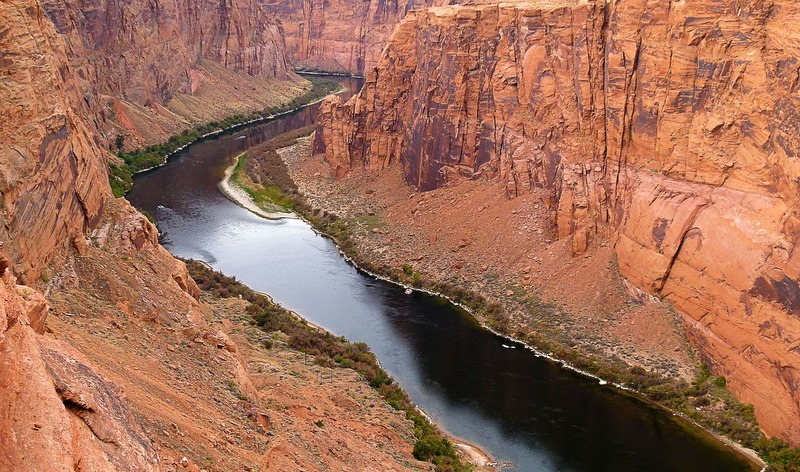
Our overextended Colorado River
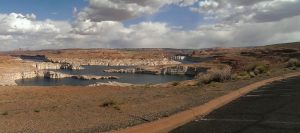
Lake Powell is being drained to keep water in Lake Mead!
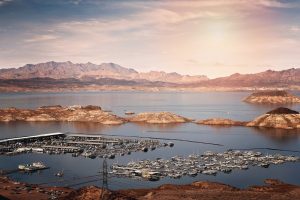
Lake Mead Marina
Since this blog is directed primarily to those of you who, like me, live in the more arid parts of our country, water is, or should be, at the top of our priorities list. The availability of water impacts where we can and can’t live, how much we pay for feed, if we are allowed to irrigate or not, if our horses are standing on bone-dry ground or grazing on green grass, how much our electric bill is for pumping it or the bill to the water company for supplying it, and so on. According to the people that study these things, most of us in the Southwest are living in various degrees of drought. This can vary from place to place depending on the amount of snow or rain a particular spot gets, but regionally, overall precipitation is less than normal year after year. It has been going on for so long that I am not sure that anyone really knows what normal is anymore! It may be spelled DROUGHT! As our droughts and heat waves continue to march on we are still having to buy hay from farmers who may be depleting the underground aquifers or else competing with cities for the limited amount of surface water. I read, not too long ago, that when the water level in Lake Mead drops to a certain level, which is estimated to happen about a year from now, that the authorities will start rationing it! I foresee many legal battles over water in the future. Groundwater is being used faster than it can be recharged! Wells are either going dry or being deepened which just leads to more overpumping. The San Joaquin Valley in California is sinking. There are miles long fissures in Arizona caused by overpumping of groundwater. Here are a couple of links re fissures in Arizona.
http://www.azgs.az.gov/Earth%20Fissures/ef_brochure.pdf
http://azgs.arizona.edu/center-natural-hazards/earth-fissures-ground-subsidence
There are some glimmers of hope though – three years ago The Alfalfa Project was started in the San Joaquin Valley; they found that by using drip irrigation and precision farming they were able to cut the water used by 50%!!!! The goal is to convert 350,000 acres of alfalfa to this type of irrigation which is estimated will save 400 billion gallons of water a year. That is enough to supply 12 million Californians with their water needs for a year!
http://www.californiaagnet.com/2018/05/21/alfalfa-project-reports-massive-water-savings/
Conservation raises a friendly hand and waves at us. However, at the same time, LA is actually paying farmers to let their fields lie fallow so that their allocated water can be diverted to the city! The fight over water between agriculture and population centers will continue.
Those of us (most of us) who buy feed as opposed to having enough pasture to support our horses year-round have become accustomed to paying more for a bale of hay. Does anyone even remember what it was 15 years ago? Of course, the price of hay includes other costs besides water such as the energy to run the farm machinery and then the fuel to deliver it but the AVAILABILITY of hay is directly related to the AVAILABILITY of water. Most of the hay in the Southwest is grown in fields either irrigated by surface water (think Colorado and Rio Grande Rivers) or by groundwater pumped out of underground sources which are rapidly being depleted. What can we do? If your horses are like mine they have adamantly refused to give up eating although I have begged them on my knees! So, we have no choice but to keep on buying hay or hay pellets! Like it or not we are contributing to the continued depletion of our water resources. Obviously, we cannot individually put water back into the rivers or underground but collectively we can use less of it that comes from those sources. Conservation has turned out to be the most efficient and quickest method of saving water. If you are getting your water from a municipal source, then you are probably already aware of the rebates and incentives for installing more water efficient appliances not to mention the savings on your water bill. However, I haven’t heard of any incentives for using less water in your barn unless you are lucky enough to have a toilet installed there! Horses do and should drink a lot of water, so we can’t reduce their consumption, all we can do is try to make sure that most of it goes into the horse and not out on the ground. Conserving water on your farm is not going to lower the price of a bale of hay! But just like low-flow toilets, it reduces the demand for water. Another thing that you can do is to support hay growers who are also trying to find ways of using less water. ASK! DEMAND! We horse owners need to show that we are doing our part to reduce our use of water so that horses can be an accepted part of a sustainable future.
Here are some suggestions for saving water on your farm.
HOSES: If you fill your horses’ water containers with a hose I am sure that more than once you have forgotten to turn it off and have come back, as I have, to a small lake in the barn. This is not an intentional misuse of water, but it is certainly a severe one. An easy and readily available solution is the timer on your cell phone. Just set it for however long it usually takes to fill that particular container and it will remind you to turn the water off. It also saves you a trip to the barn in your slippers in the middle of the night because you couldn’t remember if you left it on or not! Another problem with using hoses is that periodically we have to dump out the water containers to get rid of accumulated debris and not only is the water wasted it usually winds up in our horses’ stalls or pens creating potential pest breeding grounds. If you have to use a hose then keep an attachment on the end which allows you to cut the flow off when not actually using it. Please check all of your faucets regularly for leaks. A dripping faucet can waste from 2-5 gallons, yes gallons! a day!!

AUTOWATERERS: A more costly, but labor-saving way to conserve water is to install automatic waterers especially the non-electric ones which rely on geothermal (the ground to most of us) to keep the water cool in summer / warm in winter. You still need to check them at feeding time just like any other water source but they are usually maintenance free. They come in sizes from single stall to 40 head. I have attached links to several manufacturers below but there are lots more. You will need to do your due diligence online and if possible, ask for input from people who have been using them. Some people have objected to using auto waterers because they were worried that they could not see how much or little a horse was drinking, however, some manufacturers now have an optional gauge so that you can monitor intake. In my experience horses will drink more water in the summer if it is clean and fresh than if it has been sitting in the sun all day growing algae or in the winter if it is warm and not frozen. Since our goal here is not to have our horses drink less, but to waste less, I think that puts a plus on the side of the auto waterer. Of course, since we are trying to be green in all ways and not just to conserve water we have to address the environmental costs of replacing the hose with an auto waterer. Sometimes we can’t win on all fronts and have to choose. Personally, in most of the drier West and Southwest, I would feel that it is more important to save water than the energy and resources that went into the manufacturing and transportation of an auto waterer. If any of you know of a waterer that is manufactured in a more eco-friendly manner than the others please let us know! See links to manufacturers at the end of this post.
FLOATS: What about floats you ask? Usually, but not always, floats are installed on larger tanks that are designed for watering more than one animal such as in a group pen or pasture. Floats can work great and save water and time however just be sure to check every day to see that they are working properly. If they should quit functioning for some reason, such as your playful gelding ripping it out and tossing it around like one of those horse versions of an exercise ball, you could have a mini pond where your water tank is. Another potential problem is that the float could get stuck in the off position on a hot summer day can and leave your herd without water till you happen to notice their tongues hanging out. Of course, long before that, my horses would have managed to not only tip the tank over but to roll it around and paw it till they were sure that it would never hold water again. Then I would lose all my green water saving points by having to buy a new tank to replace it! Bottom line is that no matter which water and labor- saving device we choose, it needs to be checked daily to be sure it is functioning properly.
Here are some more tips for saving water by keeping it clean so you don’t have to dump it out or run it over.
Dunkers: Some horses just like to dunk their hay and others do it because they are having chewing problems such as when older horses start losing their teeth. Either way, it causes us to be constantly dumping out the uneaten and now inedible hay and refilling their water container. A double waste. One solution is pre-soaking their hay which of course uses water but probably less than constantly dumping their water out. I suggest feeding them their hay in a large rubber or plastic tub which will keep the wet hay cleaner and at the same time be making it easier to wet down the hay … Another solution is to provide them with an individual automatic waterer which has a bowl large enough for them to dunk their mouthfuls in. You will still have to clean it out daily, but many are designed so that you can just lift the bowl out and dump its contents and put it back. Saves a lot of time and water!
Algae: Unless we are talking about one of those toxic algae blooms that impact some of America’s polluted lakes, (although HEADS UP I read recently that a dangerous bacteria can lurk in decomposing algae!!) I find the algae that usually grows in our horses’ water to be more of a visual problem than an actual cleanliness one. In fact, the usual solution is dump and scrub which uses and wastes a lot of water! If your tank is large enough then you can try keeping fish in it. In warm weather, you can use a Plecostomus which is a scary looking but benign fish that attaches itself to the side of the tank and eats the algae. When the weather cools down you will have to move it to a tank indoors where it will continue to eat the algae in that tank! Here is a link to more info on Plecos!
https://www.buildyouraquarium.com/plecostomus-types-care/
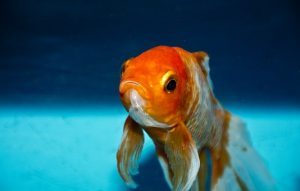
Goldfish or Koi can help with algae control and also eat the mosquito larvae and any other insects that happen to land in the tank. They can usually spend the winter outdoors unless your tank freezes over in which case the horses can’t get water and the fish can’t get oxygen! Make sure that your horse or horses consume enough water every day that sufficient clean, aerated water goes into the tank to keep the fish happy and healthy. Plecos and Goldfish can share a tank. but use the same rule that you would for an aquarium and don’t put in more fish than it can support. Likewise, keep an eye on the size of your fish and as they grow reduce their numbers. If you use Koi instead of just plain Goldfish you should be able to sell your extras to a fish shop! Big Plecos are also in demand. Make sure that there is enough food growing or falling in your tank to keep your fish fed! Containers too small for fish should be kept in the shade which will help keep the algae growth down and if you find that you still have to dump them and scrub them then try to put the water to good use such as watering the landscape instead of just dumping it out on the ground.
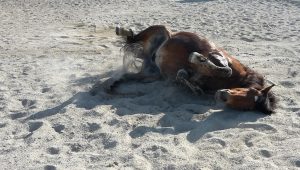
Washing Horses: Most of us wash our horses too much. We wash instead of brushing! If you are serious about saving water, then put the hose down and grab a bucket and a sponge. Horses rarely need a full body bath and getting bathed too frequently can actually be harmful to them. Their skin naturally produces oils that protect it from various skin ailments. When you bathe them with shampoos or even just too frequently with water it removes those natural oils and leaves their skin exposed to bacteria and less resistant to skin diseases. So just use water to spot clean. Brush those sweat marks off. Try to have a sandy place (ie: round pen) where your horse can roll when you take his saddle off. It makes him feel good and you will have to brush him less!
Dust Control: Okay I am talking about the dry and dusty Southwest here. Arenas can create so much dust that they are not fit for man or beast and can legitimately cause neighbors to file a complaint. Many of us have installed sprinklers or use a water truck which of course is a huge waste of water. Fortunately, there are dust free answers!!! Several companies are producing arena footing products that can either minimize or totally eliminate the need to water and can provide great footing for your horse. Different types of riding require different types of footing so you need to do your research and be sure that the one that you chose is the right one for you. Don’t forget to check out the environmental impact the company/product has and remember if it isn’t safe for the earth then it isn’t safe for you, your family or your animals.
The main takeaway from this discussion is to stop and think every time that you reach for the water spigot “is there another way that I can do this without using water?”
Most of the water boards or water management entities in these western states have drought plans either in place or that they are working on. I have posted links to all of these websites below. Please go to the one for your state and familiarize yourself with it, its policies, rules, and regulations. Keep updated especially if something is about to change or gets changed.
Links:
State Water Boards/Managers:
Arizona – http://www.azwater.gov
California – https://water.ca.gov/Programs/California-Water-Plan
Colorado – Water Conservation Board – http://cwcb.state.co.us/Pages/CWCBHome.aspx
Nevada – http://water.nv.gov/
New Mexico – http://www.ose.state.nm.us/Planning/index.php
Oregon – https://www.oregon.gov/owrd/Pages
Texas – http://www.twdb.texas.gov/
Utah – https://water.utah.gov
I have not installed any new waterers recently so can’t personally recommend any but these are all well-known and established companies. All the companies have several models to choose from.
Auto Waterer Companies
BAR BAR A – https://www.horsedrinker.com/
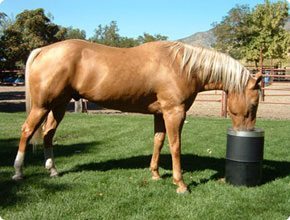
Drinking Post – https://www.dpwaterer.com/
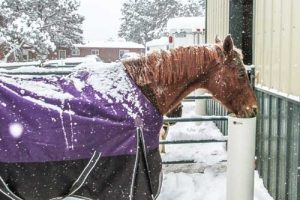
Nelson Manufacturing– https://www.nelsonmfg.com/
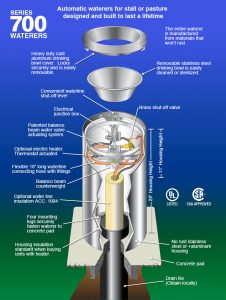
Ritchie – https://ritchiefount.com/product-category/horses/
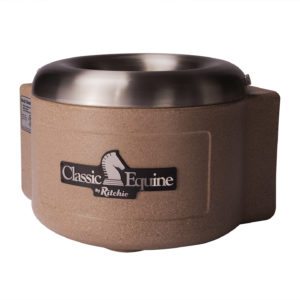
Amazon Auto Horse Waterer (you will have to enter it manually!) Amazon has them available from several different companies. – https://amazon.com
and there are lots more online!!
Comments
Water Conservation For Horse Owners in the West and Southwest — No Comments
HTML tags allowed in your comment: <a href="" title=""> <abbr title=""> <acronym title=""> <b> <blockquote cite=""> <cite> <code> <del datetime=""> <em> <i> <q cite=""> <s> <strike> <strong>